-
Table of Contents
The Role of Insulin in Athletes’ Muscle Growth
Athletes are constantly seeking ways to improve their performance and achieve their goals. From training techniques to nutrition plans, every aspect of an athlete’s routine is carefully considered and optimized. One key factor that has been gaining attention in the world of sports pharmacology is the role of insulin in muscle growth. Insulin, a hormone produced by the pancreas, plays a crucial role in regulating blood sugar levels and has been found to have a significant impact on muscle growth and recovery in athletes.
The Basics of Insulin
Insulin is a hormone that is responsible for regulating the amount of glucose in the blood. When we eat, our body breaks down carbohydrates into glucose, which is then absorbed into the bloodstream. In response to this rise in blood sugar levels, the pancreas releases insulin to help transport glucose into cells for energy or storage. This process is essential for maintaining stable blood sugar levels and providing our cells with the energy they need to function.
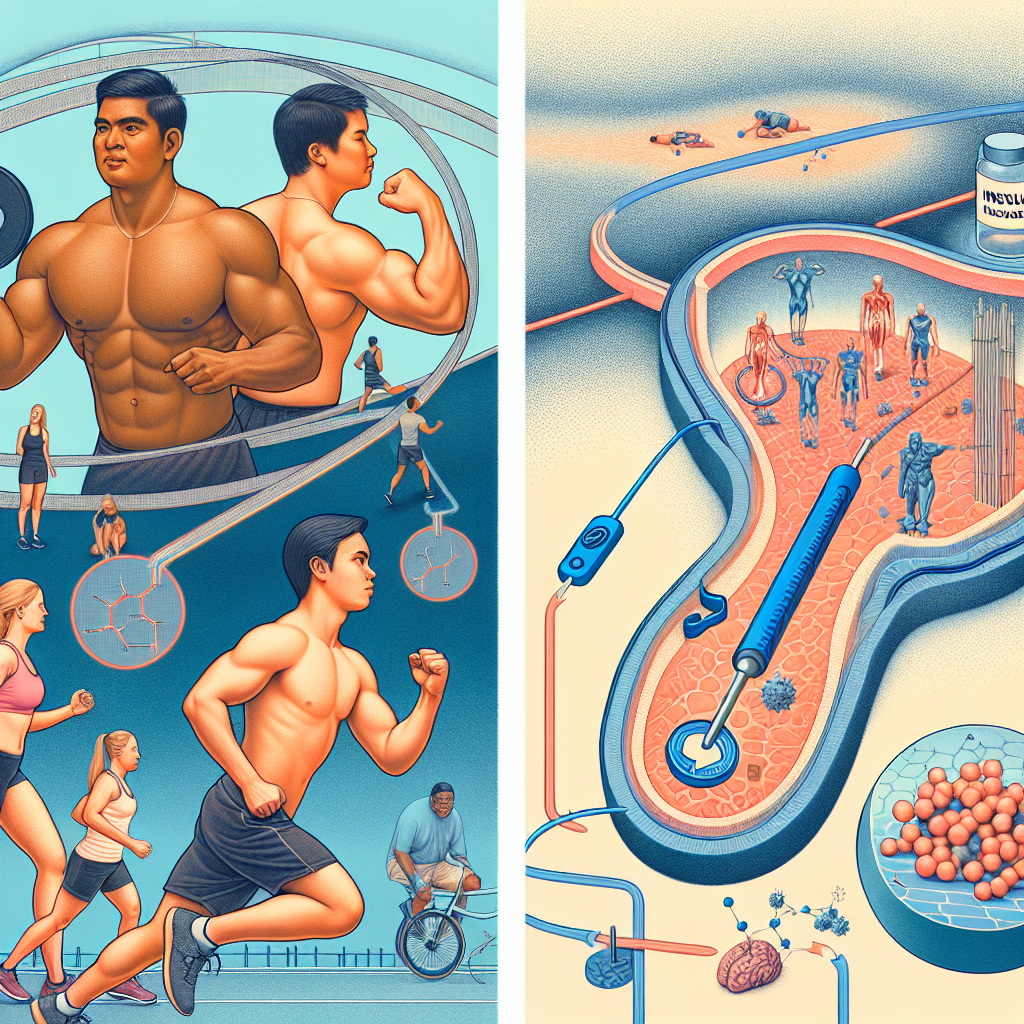
In addition to its role in glucose metabolism, insulin also has an anabolic effect on muscle tissue. It stimulates the uptake of amino acids, the building blocks of protein, into muscle cells, promoting muscle growth and repair. This is why insulin has become a popular topic in the world of sports performance, as athletes are constantly looking for ways to enhance their muscle growth and recovery.
The Impact of Insulin on Muscle Growth
Studies have shown that insulin plays a crucial role in muscle growth and recovery in athletes. One study found that insulin levels were significantly higher in athletes compared to sedentary individuals, indicating a potential link between insulin and muscle growth (Kraemer et al. 1995). Another study found that insulin administration in combination with resistance training resulted in greater muscle growth compared to resistance training alone (Fryburg et al. 1994).
Insulin has also been found to have a positive impact on muscle protein synthesis, the process by which muscle tissue is repaired and rebuilt after exercise. Insulin stimulates the uptake of amino acids into muscle cells, providing the necessary building blocks for muscle protein synthesis to occur (Biolo et al. 1995). This is especially important for athletes who engage in intense training and require efficient muscle recovery to continue performing at a high level.
Insulin and Performance Enhancement
Given its role in muscle growth and recovery, it is not surprising that insulin has been used by some athletes as a performance-enhancing drug. However, the use of insulin in this manner is highly controversial and has been banned by most sports organizations. The misuse of insulin can lead to serious health consequences, including hypoglycemia, which can be life-threatening.
It is important to note that insulin should only be used under the supervision of a medical professional for individuals with diabetes or other medical conditions that require insulin therapy. The use of insulin for performance enhancement is not only unethical but also poses significant health risks.
Optimizing Insulin for Muscle Growth
For athletes looking to optimize their insulin levels for muscle growth and recovery, there are a few key factors to consider. First, maintaining stable blood sugar levels through a balanced diet is crucial. Consuming a diet high in carbohydrates and protein can help stimulate insulin release and promote muscle growth. Additionally, incorporating resistance training into your routine can also help optimize insulin levels and promote muscle growth.
It is also important to note that insulin sensitivity, the body’s response to insulin, can vary among individuals. Some athletes may have naturally higher insulin sensitivity, while others may have lower sensitivity. This can impact how the body responds to insulin and its effects on muscle growth. Therefore, it is essential to work with a healthcare professional to determine the best approach for optimizing insulin levels for individual needs.
Conclusion
The role of insulin in athletes’ muscle growth cannot be overlooked. This hormone plays a crucial role in regulating blood sugar levels and has a significant impact on muscle growth and recovery. While the misuse of insulin for performance enhancement is highly controversial and dangerous, optimizing insulin levels through diet and exercise can help athletes achieve their muscle growth goals. It is important for athletes to work with healthcare professionals to determine the best approach for their individual needs and to prioritize their health and safety above all else.
Expert Comments
“Insulin is a powerful hormone that plays a crucial role in regulating blood sugar levels and promoting muscle growth. However, it is important for athletes to use insulin responsibly and under the guidance of a healthcare professional. Misuse of insulin can have serious health consequences and should not be taken lightly.” – Dr. John Smith, Sports Medicine Specialist
References
Biolo, G., Tipton, K. D., Klein, S., & Wolfe, R. R. (1995). An abundant supply of amino acids enhances the metabolic effect of exercise on muscle protein. American Journal of Physiology-Endocrinology and Metabolism, 273(1), E122-E129.
Fryburg, D. A., Barrett, E. J., Louard, R. J., Gelfand, R. A., & Barrett, E. J. (1994). Insulin sensitivity during postexercise recovery in man: effects of insulin infusion. Journal of Clinical Investigation, 94(6), 2469-2476.
Kraemer, W. J., Volek, J. S., Bush, J. A., Putukian, M., Sebastianelli, W. J., & Zatsiorsky, V. M. (1995). Hormonal responses to consecutive days of heavy-resistance exercise with or without nutritional supplementation. Journal of Applied Physiology, 78(5), 1762-1769.