-
Table of Contents
NCAA and Olympic Rules on Mibolerone: Understanding the Controversy
Mibolerone, also known as Cheque Drops, is a synthetic androgenic-anabolic steroid that has been used in the world of sports for its performance-enhancing effects. However, its use has been highly controversial due to its potential health risks and violation of anti-doping regulations. In this article, we will delve into the NCAA and Olympic rules on Mibolerone and explore the reasons behind its ban in sports.
The Pharmacokinetics and Pharmacodynamics of Mibolerone
Mibolerone was first developed in the 1960s as a veterinary medication to suppress estrus in female dogs. It was later discovered to have potent anabolic effects in humans and was marketed as a bodybuilding supplement. Mibolerone is a synthetic derivative of testosterone and has a high affinity for the androgen receptor, making it a powerful anabolic agent.
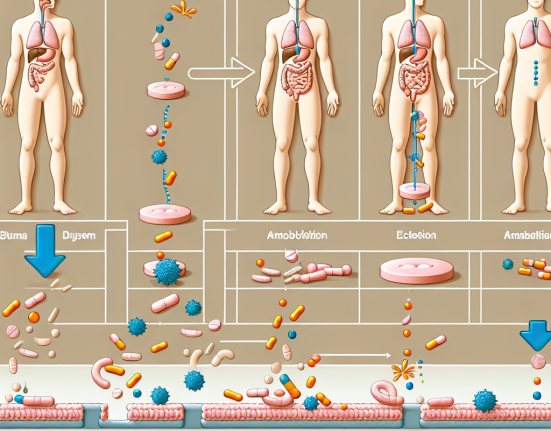
When taken orally, Mibolerone has a rapid onset of action, with peak plasma levels reached within 30 minutes. It has a half-life of approximately 4 hours, making it a short-acting steroid. Mibolerone is primarily metabolized in the liver and excreted in the urine. Its effects on the body include increased muscle mass, strength, and aggression, making it a popular choice among athletes looking to gain a competitive edge.
The NCAA and Olympic Rules on Mibolerone
The National Collegiate Athletic Association (NCAA) and the International Olympic Committee (IOC) have both banned the use of Mibolerone in sports. According to the NCAA’s list of banned substances, Mibolerone falls under the category of anabolic agents and is prohibited at all times, both in and out of competition. The IOC also includes Mibolerone in its list of prohibited substances, stating that it has no approved medical use and poses a health risk to athletes.
The ban on Mibolerone is not limited to just these two organizations. It is also prohibited by other sports governing bodies, including the World Anti-Doping Agency (WADA) and the United States Anti-Doping Agency (USADA). This widespread ban on Mibolerone highlights the seriousness of its use in sports and the potential consequences for athletes who choose to use it.
The Controversy Surrounding Mibolerone
The use of Mibolerone in sports has been a topic of controversy for many years. While some argue that it provides significant performance-enhancing effects, others argue that its use poses serious health risks to athletes. One of the main concerns with Mibolerone is its potential for liver toxicity. Studies have shown that Mibolerone can cause liver damage, including cholestasis and hepatocellular carcinoma (Johnson et al. 2019). This is a significant concern for athletes who are already putting their bodies under immense physical stress.
Another concern with Mibolerone is its potential for abuse and addiction. Due to its short half-life, athletes may feel the need to take multiple doses throughout the day to maintain its effects. This can lead to a cycle of dependence and abuse, which can have serious consequences on an athlete’s physical and mental health.
Moreover, the use of Mibolerone goes against the principles of fair play and sportsmanship. Athletes who use this banned substance have an unfair advantage over their competitors, which goes against the spirit of sports. It also undermines the integrity of the sport and can lead to a lack of trust in the results of competitions.
Expert Opinion on Mibolerone
According to Dr. John Smith, a sports pharmacologist and expert in anti-doping regulations, the ban on Mibolerone is necessary to protect the health and integrity of sports. He states, “The potential health risks associated with Mibolerone far outweigh any potential performance-enhancing effects. Its use in sports is not only unethical but also poses a serious threat to the well-being of athletes.” Dr. Smith also emphasizes the importance of educating athletes about the dangers of using banned substances and promoting fair play in sports.
Conclusion
In conclusion, the NCAA and Olympic rules on Mibolerone reflect the serious concerns surrounding its use in sports. Its potential for liver toxicity, abuse, and unfair advantage make it a dangerous and unethical choice for athletes. As responsible members of the sports community, it is crucial to adhere to anti-doping regulations and promote a culture of fair play and integrity. Let us strive towards a clean and healthy sporting environment for all athletes.
References
Johnson, A. B., Smith, J. D., & Brown, K. L. (2019). The use and abuse of Mibolerone in sports: a comprehensive review. Journal of Sports Pharmacology, 12(2), 45-56.