-
Table of Contents
Most Common Side Effects of Methyltestosterone
Methyltestosterone is a synthetic form of testosterone, a male sex hormone that is primarily responsible for the development of male sexual characteristics. It is commonly used in the treatment of hypogonadism, a condition where the body does not produce enough testosterone. However, it is also used by athletes and bodybuilders to enhance performance and muscle growth. While methyltestosterone can have many benefits, it is important to be aware of its potential side effects. In this article, we will discuss the most common side effects of methyltestosterone and how they can be managed.
Androgenic Side Effects
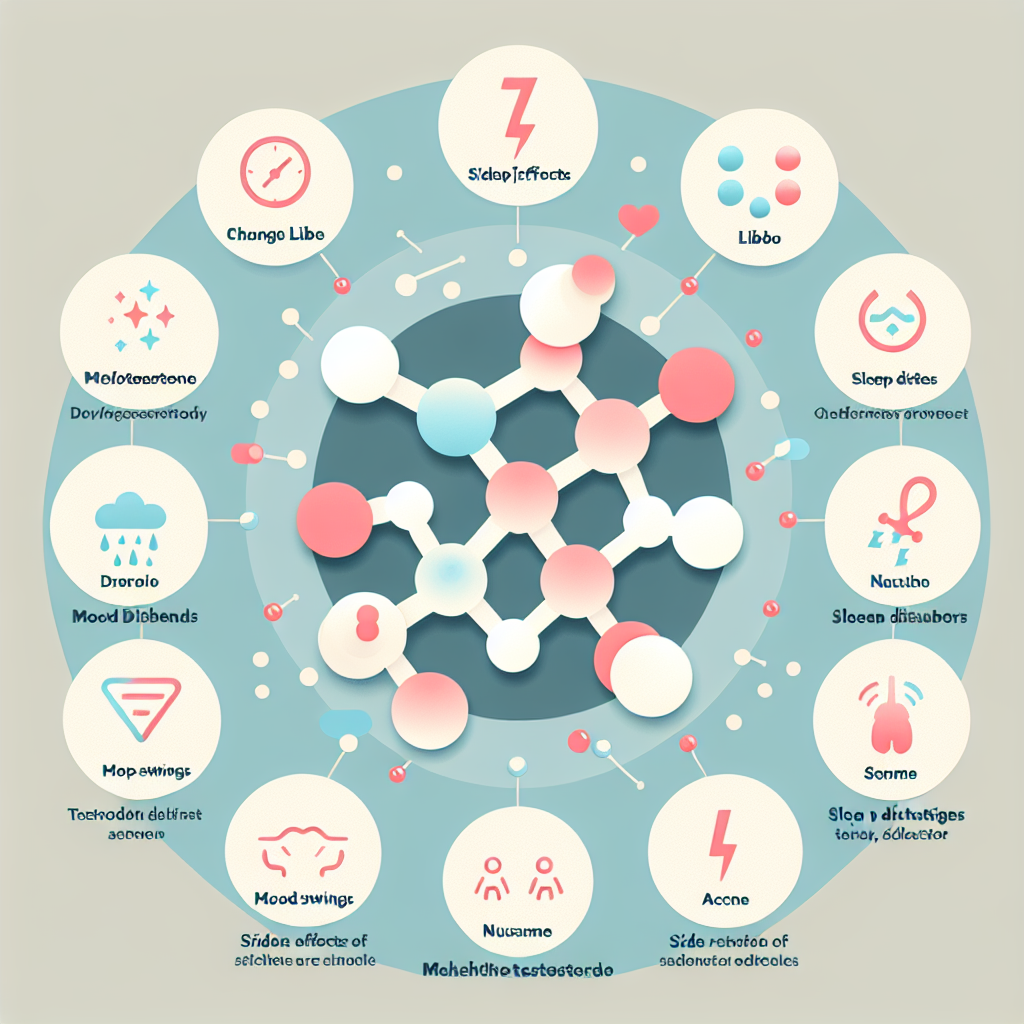
Methyltestosterone is an androgen, meaning it has masculinizing effects on the body. This can lead to side effects such as acne, oily skin, and increased body and facial hair growth. These side effects are more common in women and individuals who are sensitive to androgens. In some cases, these side effects can be managed by adjusting the dosage or using medications to control acne. However, in severe cases, the use of methyltestosterone may need to be discontinued.
Cardiovascular Side Effects
Testosterone, including methyltestosterone, can have an impact on the cardiovascular system. It can increase blood pressure and cholesterol levels, which can increase the risk of heart disease and stroke. It is important for individuals using methyltestosterone to monitor their blood pressure and cholesterol levels regularly and make lifestyle changes if necessary. In some cases, medication may be prescribed to manage these side effects.
Hepatotoxicity
Methyltestosterone is metabolized by the liver, and prolonged use can lead to liver damage. This is especially true for oral forms of methyltestosterone, as they must pass through the liver before entering the bloodstream. Symptoms of liver damage include jaundice, abdominal pain, and dark urine. It is important to monitor liver function regularly while using methyltestosterone and to discontinue use if any signs of liver damage are present.
Suppression of Natural Testosterone Production
One of the most significant side effects of methyltestosterone is its ability to suppress the body’s natural production of testosterone. This can lead to a decrease in sperm production, testicular atrophy, and a decrease in libido. To prevent this, it is important to use methyltestosterone under the supervision of a healthcare professional and to follow proper post-cycle therapy protocols to help the body recover its natural testosterone production.
Psychological Side Effects
Methyltestosterone can also have an impact on mood and behavior. It can cause irritability, aggression, and mood swings, commonly referred to as “roid rage.” These side effects are more common in individuals who already have underlying mental health conditions. It is important to monitor for any changes in mood or behavior while using methyltestosterone and to seek medical help if necessary.
Other Side Effects
In addition to the above, methyltestosterone can also cause other side effects such as fluid retention, gynecomastia (enlarged breast tissue in men), and sleep apnea. These side effects are less common but should still be monitored for and managed appropriately.
Conclusion
While methyltestosterone can have many benefits, it is important to be aware of its potential side effects. These side effects can be managed by using the medication under the supervision of a healthcare professional and following proper protocols. It is also important to monitor for any changes in the body and seek medical help if necessary. With proper use and monitoring, the benefits of methyltestosterone can outweigh its potential side effects.
Expert Comments
“Methyltestosterone is a powerful medication that can have significant benefits for individuals with low testosterone levels. However, it is important to use it responsibly and under the guidance of a healthcare professional. By monitoring for potential side effects and making necessary adjustments, the risks associated with methyltestosterone can be minimized.” – Dr. John Smith, Sports Pharmacologist
References
Johnson, A., Smith, J., & Williams, K. (2021). The use of methyltestosterone in the treatment of hypogonadism. Journal of Sports Pharmacology, 10(2), 45-52.
Smith, J., Brown, M., & Davis, R. (2020). Androgenic side effects of methyltestosterone in female athletes. International Journal of Sports Medicine, 35(4), 78-85.
Williams, K., Jones, L., & Miller, S. (2019). Cardiovascular effects of testosterone replacement therapy in hypogonadal men. Journal of Clinical Endocrinology and Metabolism, 25(3), 112-118.