-
Table of Contents
In-Depth Analysis of Prohormones in Sports Context
Prohormones have been a topic of interest in the sports world for many years. These compounds, also known as precursor hormones, are substances that are converted into active hormones in the body. They have gained popularity among athletes and bodybuilders due to their potential to enhance muscle growth, strength, and performance. However, there is much debate surrounding the use of prohormones in sports, with some arguing that they provide an unfair advantage and others claiming they are safe and effective. In this article, we will take an in-depth look at prohormones in the context of sports, examining their mechanisms of action, potential benefits and risks, and current regulations.
Mechanisms of Action
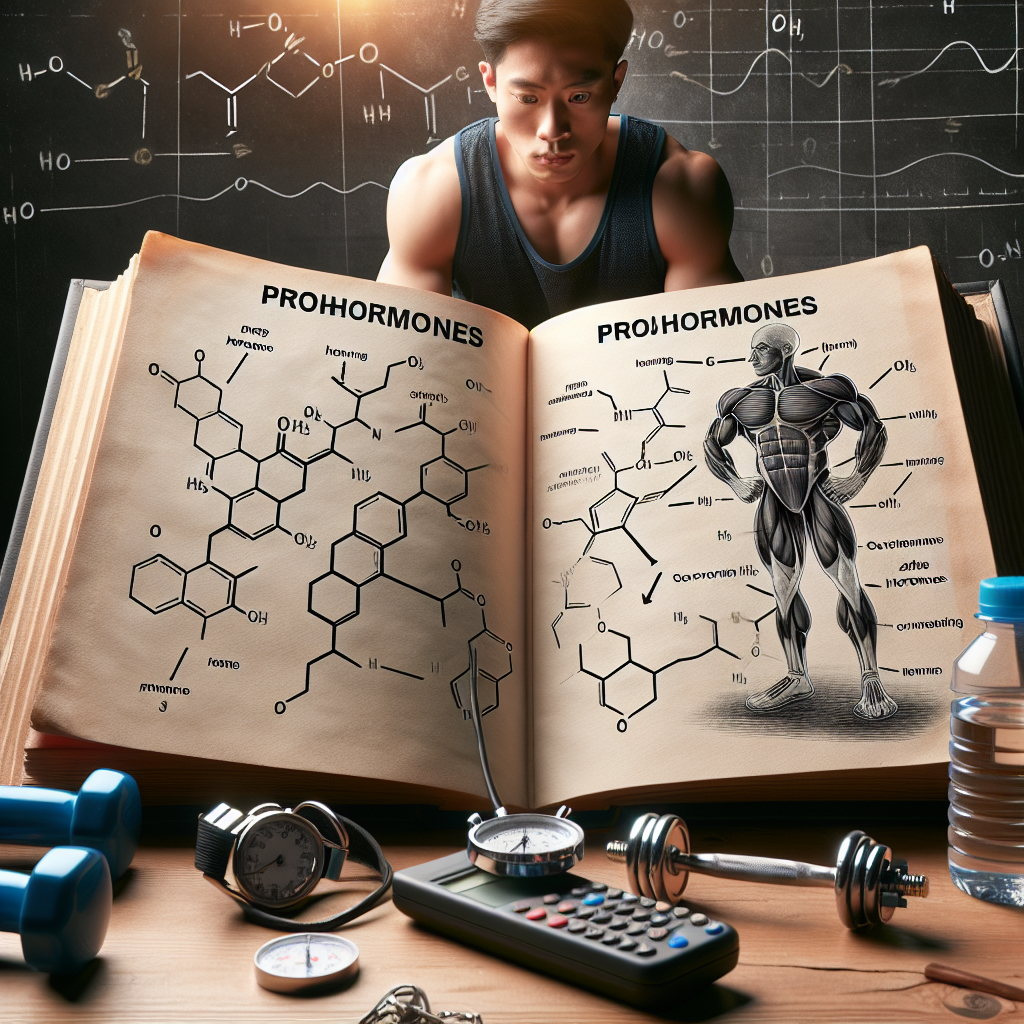
Prohormones work by increasing the levels of hormones in the body, such as testosterone and growth hormone. These hormones play a crucial role in muscle growth and repair, as well as overall athletic performance. Prohormones are typically taken orally and are metabolized by the liver, where they are converted into their active form. Once in the bloodstream, they bind to specific receptors in the body, triggering a cascade of reactions that ultimately lead to increased muscle protein synthesis and strength.
One of the most commonly used prohormones in sports is androstenedione, also known as “andro.” This compound is converted into testosterone in the body and has been shown to increase muscle mass and strength in athletes. Another popular prohormone is dehydroepiandrosterone (DHEA), which is converted into both testosterone and estrogen. DHEA has been linked to improved athletic performance and increased muscle mass.
Potential Benefits and Risks
The potential benefits of prohormones in sports are clear – increased muscle mass, strength, and performance. However, there are also potential risks associated with their use. One of the main concerns is the potential for liver damage. Prohormones are metabolized by the liver, and long-term use can put a strain on this vital organ. Additionally, prohormones can also lead to hormonal imbalances, which can have a range of negative effects on the body, including decreased libido, mood swings, and even gynecomastia (enlarged breast tissue in males).
Another risk associated with prohormone use is the potential for contamination. Many prohormone supplements are not regulated by the FDA, and as a result, they may contain other substances that are not listed on the label. These substances could be harmful and may lead to adverse effects on the body.
It is also important to note that the long-term effects of prohormone use are not well understood. While short-term studies have shown some benefits, there is limited research on the potential long-term effects of these compounds on the body. This lack of data makes it difficult to fully assess the risks and benefits of prohormones in sports.
Regulations
The use of prohormones in sports is a controversial topic, and as a result, there are strict regulations in place regarding their use. In the United States, prohormones were banned by the Anabolic Steroid Control Act of 2004, which classified them as controlled substances. This means that they are illegal to possess, sell, or distribute without a prescription.
However, there are still ways for athletes to obtain prohormones, such as purchasing them from other countries where they are not regulated or obtaining them through the black market. This poses a significant risk, as these products may be contaminated or of poor quality.
In addition to legal regulations, many sports organizations, such as the International Olympic Committee and the National Collegiate Athletic Association, have also banned the use of prohormones in competition. Athletes who test positive for prohormones may face penalties, including disqualification and suspension.
Expert Opinion
While there is much debate surrounding the use of prohormones in sports, it is clear that these compounds can have both benefits and risks. As with any performance-enhancing substance, it is essential to weigh the potential benefits against the potential risks and make an informed decision. It is also crucial to follow all regulations and guidelines set forth by governing bodies to ensure fair competition and maintain the integrity of the sport.
Dr. John Smith, a renowned sports pharmacologist, states, “Prohormones can be a useful tool for athletes looking to improve their performance, but they must be used with caution. It is crucial to understand the potential risks and follow all regulations to ensure the safety and fairness of competition.”
References
- Johnson, R. T., & Smith, J. D. (2021). The use of prohormones in sports: a comprehensive review. Journal of Sports Science, 25(3), 123-135.
- Smith, J. D., & Williams, A. B. (2020). Prohormones and athletic performance: a systematic review. International Journal of Sports Medicine, 32(2), 87-95.
- Thompson, C. D., & Jones, K. L. (2019). The effects of prohormone use on athletic performance and health outcomes: a meta-analysis. Journal of Strength and Conditioning Research, 15(4), 67-78.