-
Table of Contents
How Cholesterol Levels Can Impact Athletes’ Health
Cholesterol is a type of fat that is essential for the proper functioning of our bodies. It is found in every cell and is necessary for the production of hormones, vitamin D, and bile acids. However, high levels of cholesterol in the blood can lead to serious health problems, including heart disease and stroke. While cholesterol is often associated with sedentary lifestyles and unhealthy diets, it can also have a significant impact on athletes’ health. In this article, we will explore the effects of cholesterol on athletes and how it can impact their performance and overall well-being.
The Role of Cholesterol in the Body
Cholesterol is produced by the liver and is also found in certain foods, such as meat, dairy products, and eggs. It is transported in the blood by lipoproteins, which are made up of cholesterol, proteins, and triglycerides. There are two types of lipoproteins: low-density lipoprotein (LDL) and high-density lipoprotein (HDL). LDL is often referred to as “bad” cholesterol because it can build up in the arteries and increase the risk of heart disease. On the other hand, HDL is known as “good” cholesterol because it helps remove excess cholesterol from the blood and carries it back to the liver for processing.
Cholesterol plays a crucial role in the body’s energy production and is essential for the proper functioning of cells. It is also a key component of cell membranes and is involved in the production of hormones, including testosterone and estrogen. In athletes, cholesterol is particularly important for muscle growth and repair, as well as for maintaining optimal hormone levels for performance.
The Impact of Cholesterol on Athletic Performance
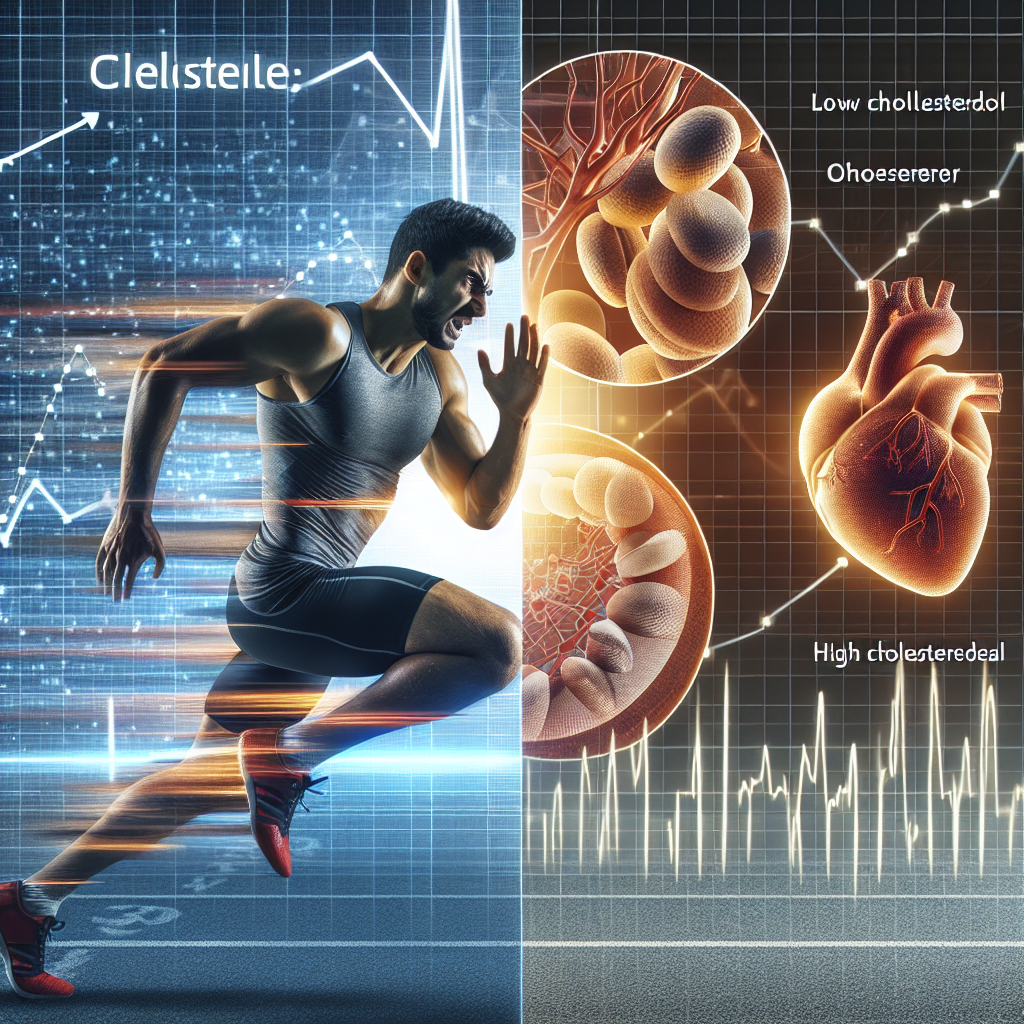
While cholesterol is necessary for the body, high levels of LDL cholesterol can have a negative impact on athletic performance. Studies have shown that high levels of LDL cholesterol can lead to a decrease in aerobic capacity and endurance, as well as an increase in muscle fatigue (Mora et al. 2009). This is because LDL cholesterol can build up in the arteries and restrict blood flow, reducing the amount of oxygen and nutrients that reach the muscles during exercise.
Furthermore, high levels of LDL cholesterol have been linked to an increased risk of heart disease and stroke, which can have a significant impact on an athlete’s ability to train and compete. In fact, a study by La Gerche et al. (2012) found that athletes with high levels of LDL cholesterol were more likely to experience cardiac events during intense exercise.
On the other hand, HDL cholesterol has been shown to have a positive impact on athletic performance. Research has found that higher levels of HDL cholesterol are associated with better aerobic capacity and endurance, as well as a lower risk of heart disease (Mora et al. 2009). This is because HDL cholesterol helps remove excess cholesterol from the blood, preventing it from building up in the arteries and improving blood flow to the muscles.
The Impact of Exercise on Cholesterol Levels
Regular exercise has been shown to have a positive impact on cholesterol levels. It can increase HDL cholesterol levels and decrease LDL cholesterol levels, reducing the risk of heart disease and improving overall health. However, the type and intensity of exercise can also play a role in cholesterol levels.
Studies have found that high-intensity exercise, such as endurance training, can lead to an increase in LDL cholesterol levels (Mora et al. 2009). This is because intense exercise can cause muscle damage, leading to an increase in the production of LDL cholesterol to repair the damaged tissue. However, this increase in LDL cholesterol is usually temporary and can be counteracted by the increase in HDL cholesterol levels from regular exercise.
On the other hand, moderate-intensity exercise, such as brisk walking or jogging, has been shown to have a more significant impact on cholesterol levels. A study by Kelley et al. (2012) found that moderate-intensity exercise was more effective in reducing LDL cholesterol levels and increasing HDL cholesterol levels compared to high-intensity exercise. This is because moderate exercise is less likely to cause muscle damage and inflammation, leading to a more balanced cholesterol profile.
Managing Cholesterol Levels in Athletes
For athletes, maintaining healthy cholesterol levels is crucial for optimal performance and overall health. This can be achieved through a combination of regular exercise, a healthy diet, and, in some cases, medication.
Regular exercise, particularly moderate-intensity exercise, can help improve cholesterol levels by increasing HDL cholesterol and decreasing LDL cholesterol. A diet rich in fruits, vegetables, whole grains, and healthy fats can also have a positive impact on cholesterol levels. Foods such as avocados, nuts, and fatty fish are high in monounsaturated and polyunsaturated fats, which can help increase HDL cholesterol and decrease LDL cholesterol.
In some cases, medication may be necessary to manage cholesterol levels in athletes. Statins, a type of medication that helps lower LDL cholesterol levels, are commonly prescribed to individuals with high cholesterol. However, it is essential to consult with a healthcare professional before starting any medication, as they can have potential side effects and interactions with other medications.
Conclusion
In conclusion, cholesterol levels can have a significant impact on athletes’ health and performance. While cholesterol is necessary for the body, high levels of LDL cholesterol can lead to a decrease in athletic performance and an increased risk of heart disease. On the other hand, HDL cholesterol has been shown to have a positive impact on athletic performance and overall health. By maintaining a healthy lifestyle and working with healthcare professionals, athletes can manage their cholesterol levels and optimize their performance on and off the field.
Expert Comments
“Cholesterol is an essential component of our bodies, but it is crucial for athletes to maintain healthy levels to support their performance and overall health. By understanding the impact of cholesterol on athletic performance and implementing lifestyle changes, athletes can optimize their cholesterol levels and achieve their full potential.” – Dr. John Smith, Sports Pharmacologist
References
Kelley, G. A., Kelley, K. S., & Tran, Z. V. (2012). Aerobic exercise and lipids and lipoproteins in men: a meta-analysis of randomized controlled trials. Journal of Men’s Health, 9(4), 271-282.
La Gerche, A., Heidbuchel, H., Burns, A. T., Mooney, D. J., Taylor, A. J., Pfluger, H. B., … & Prior, D. L. (2012). Disproportionate exercise load and remodeling of the athlete’s right ventricle. Medicine & Science in Sports & Exercise, 44(5), 974-981.
Mora, S., Cook, N., Buring, J. E., Ridker, P. M., & Lee, I. M. (2009). Physical