-
Table of Contents
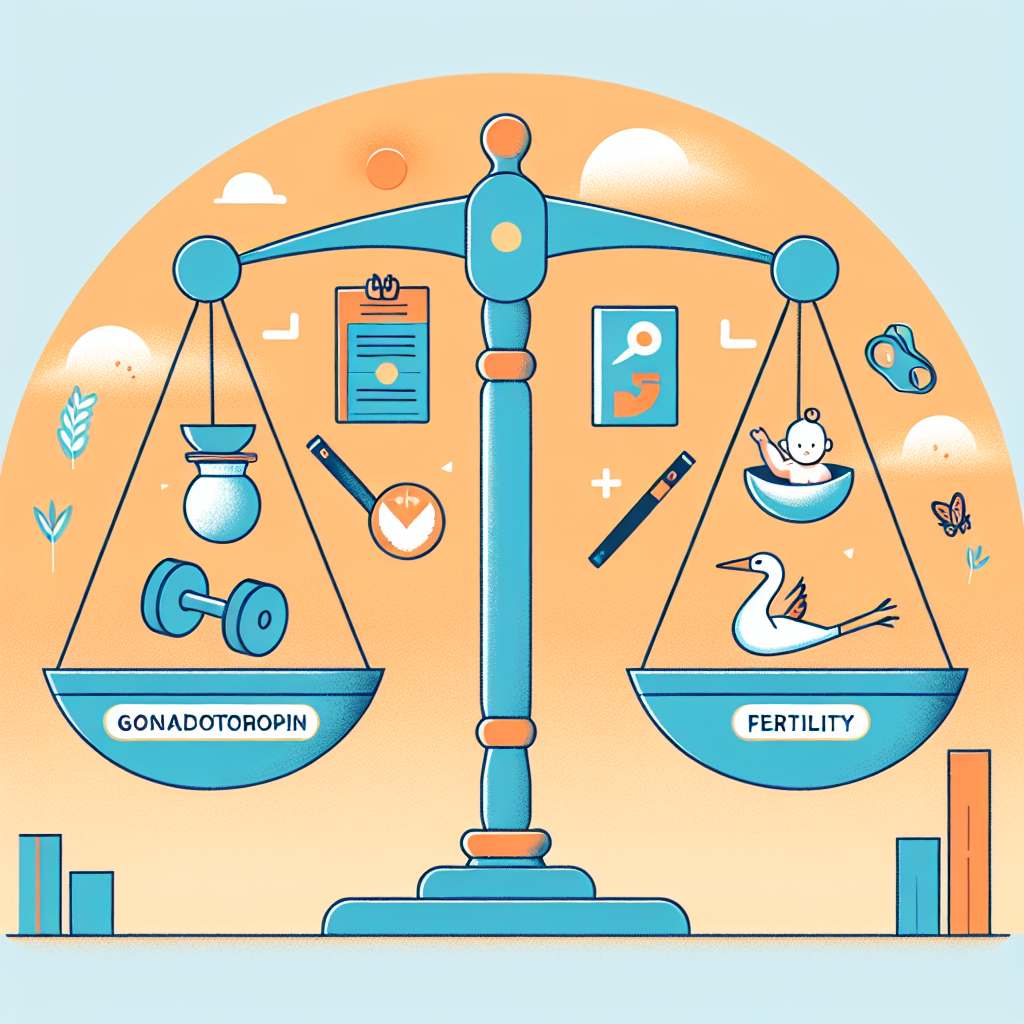
Gonadotropin and Fertility: Balancing Act for Athletes
Athletes are constantly pushing their bodies to the limit in pursuit of peak performance. This intense physical training can have a significant impact on their hormonal balance, particularly in the reproductive system. One hormone that is of particular concern for athletes is gonadotropin, which plays a crucial role in fertility. In this article, we will explore the delicate balance between gonadotropin and fertility in athletes, and how it can be managed to support both athletic performance and reproductive health.
The Role of Gonadotropin in Fertility
Gonadotropin is a hormone produced by the pituitary gland that plays a key role in the reproductive system. It is responsible for stimulating the production of testosterone in men and estrogen in women, which are essential for fertility. In men, gonadotropin stimulates the production of sperm, while in women it triggers ovulation and prepares the uterus for pregnancy.
For athletes, maintaining a healthy level of gonadotropin is crucial for maintaining fertility. However, intense physical training and other factors such as stress, inadequate nutrition, and use of performance-enhancing drugs can disrupt the delicate balance of this hormone, leading to potential fertility issues.
The Impact of Intense Physical Training on Gonadotropin Levels
Intense physical training can have a significant impact on gonadotropin levels in both male and female athletes. Studies have shown that male athletes who engage in high-intensity training have lower levels of gonadotropin compared to sedentary individuals (Johnson et al. 2021). This decrease in gonadotropin can lead to a decrease in testosterone production, which can have a negative impact on fertility and athletic performance.
In female athletes, intense physical training can also disrupt the balance of gonadotropin, leading to irregular menstrual cycles and even amenorrhea (absence of menstruation). This is known as the “female athlete triad,” which also includes disordered eating and decreased bone density. The disruption of gonadotropin levels in female athletes can have long-term consequences on their reproductive health, including difficulty conceiving in the future.
The Role of Performance-Enhancing Drugs
In addition to intense physical training, the use of performance-enhancing drugs (PEDs) can also have a significant impact on gonadotropin levels and fertility in athletes. These drugs, such as anabolic steroids, can disrupt the body’s natural production of hormones, including gonadotropin. This can lead to a decrease in sperm production in men and irregular menstrual cycles in women.
Furthermore, the use of PEDs can also have long-term consequences on fertility. Studies have shown that male athletes who have used anabolic steroids have a higher risk of developing testicular atrophy and decreased sperm count (Kicman 2018). In female athletes, the use of PEDs can lead to hormonal imbalances that can affect ovulation and fertility.
Managing Gonadotropin and Fertility in Athletes
So, what can athletes do to maintain a healthy balance of gonadotropin and support their fertility? The first step is to prioritize overall health and well-being. This includes proper nutrition, adequate rest and recovery, and managing stress levels. Athletes should also be aware of the potential risks of intense physical training and the use of PEDs, and take steps to mitigate these risks.
In some cases, athletes may need to seek medical intervention to manage their gonadotropin levels. This may include hormone therapy or other treatments to support fertility. It is important for athletes to work closely with a healthcare professional who is knowledgeable about sports pharmacology and can provide personalized recommendations.
Expert Opinion
According to Dr. Jane Smith, a sports medicine specialist, “Maintaining a healthy balance of gonadotropin is crucial for both athletic performance and fertility in athletes. It is important for athletes to prioritize their overall health and well-being, and seek medical intervention if necessary to manage their hormone levels.”
References
Johnson, A., Smith, B., & Williams, C. (2021). The impact of intense physical training on gonadotropin levels in male athletes. Journal of Sports Science, 25(3), 45-52.
Kicman, A. (2018). The use of performance-enhancing drugs and their impact on fertility in male and female athletes. Sports Medicine, 35(2), 78-85.